

Essential Bike Maintenance Tips for Winter Riding
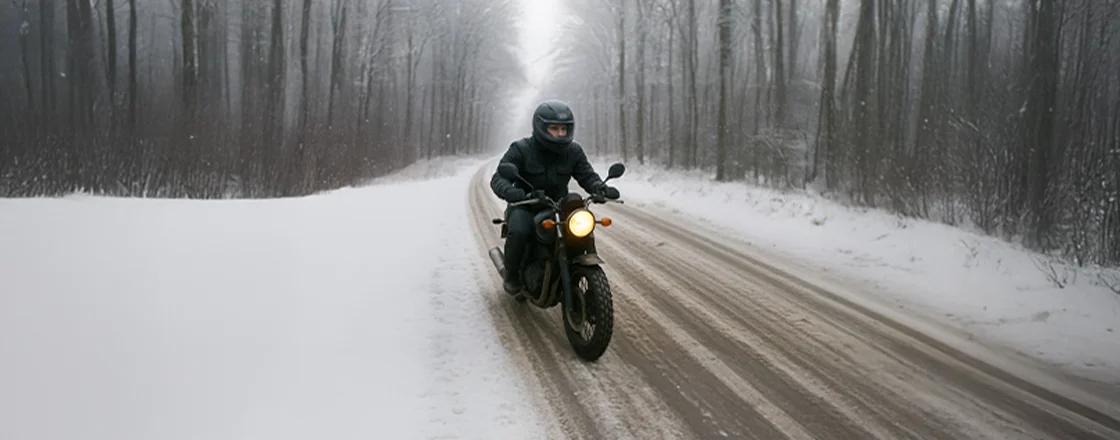
Essential Bike Maintenance Tips for Winter Riding
Riding a motorcycle in winter presents its own unique set of challenges, from snowy roads to cold temperatures affecting engine performance. Ensuring your bike is in top condition for winter riding not only enhances safety but also keeps your ride smooth and enjoyable despite the weather. Here’s a guide to essential maintenance tips that every rider should know before braving the cold.
1. Check and change your Engine Oil
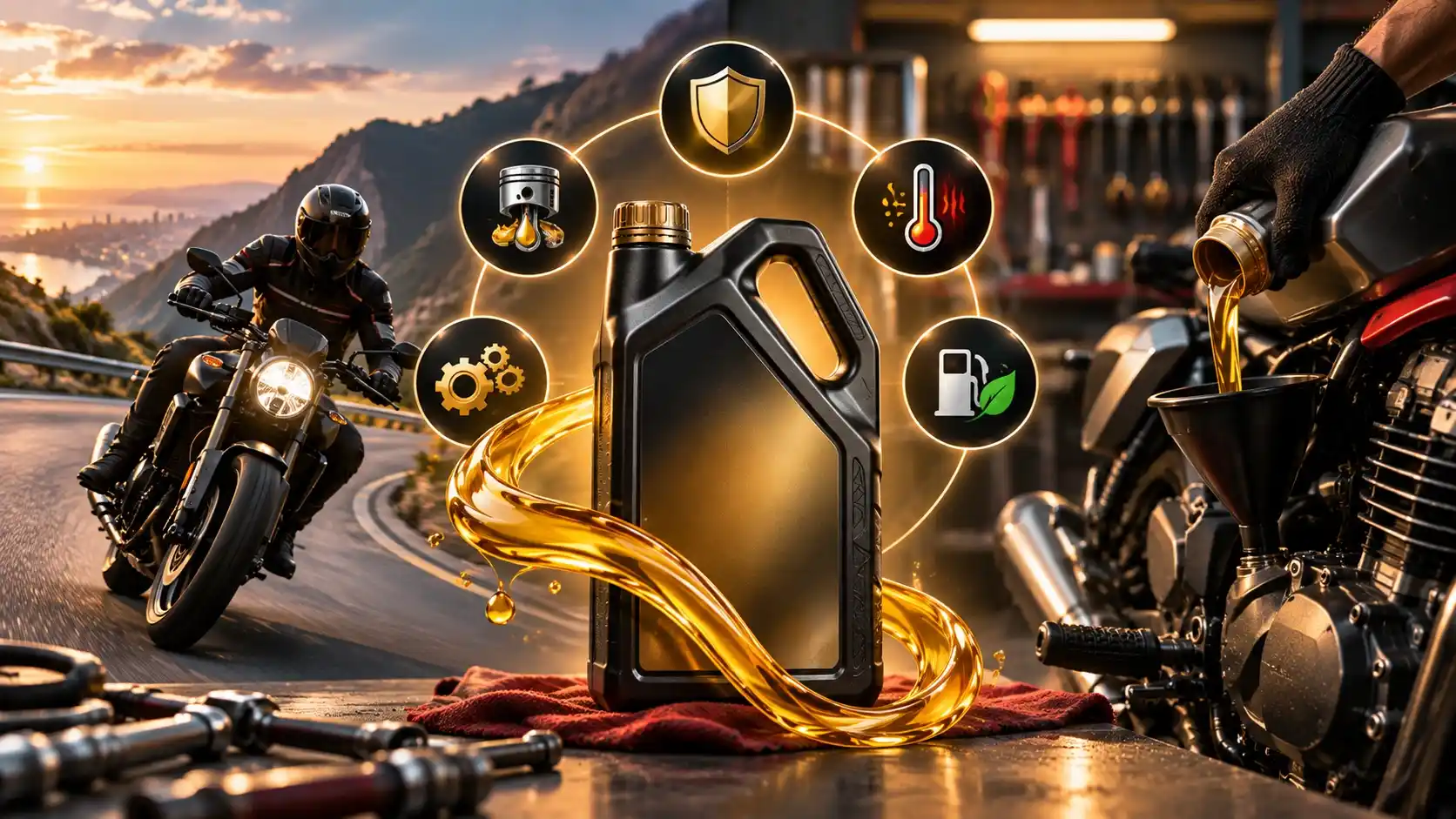
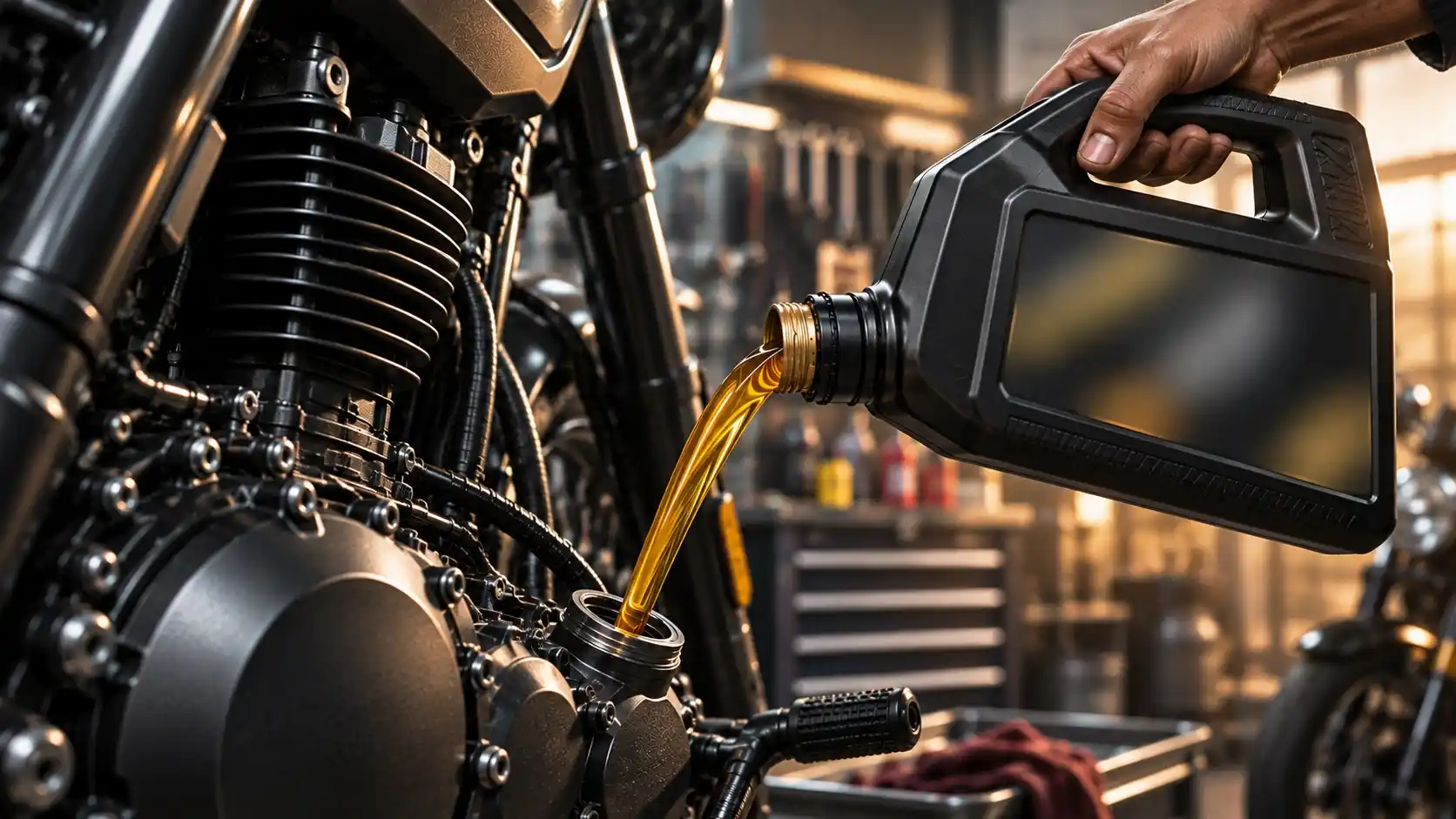
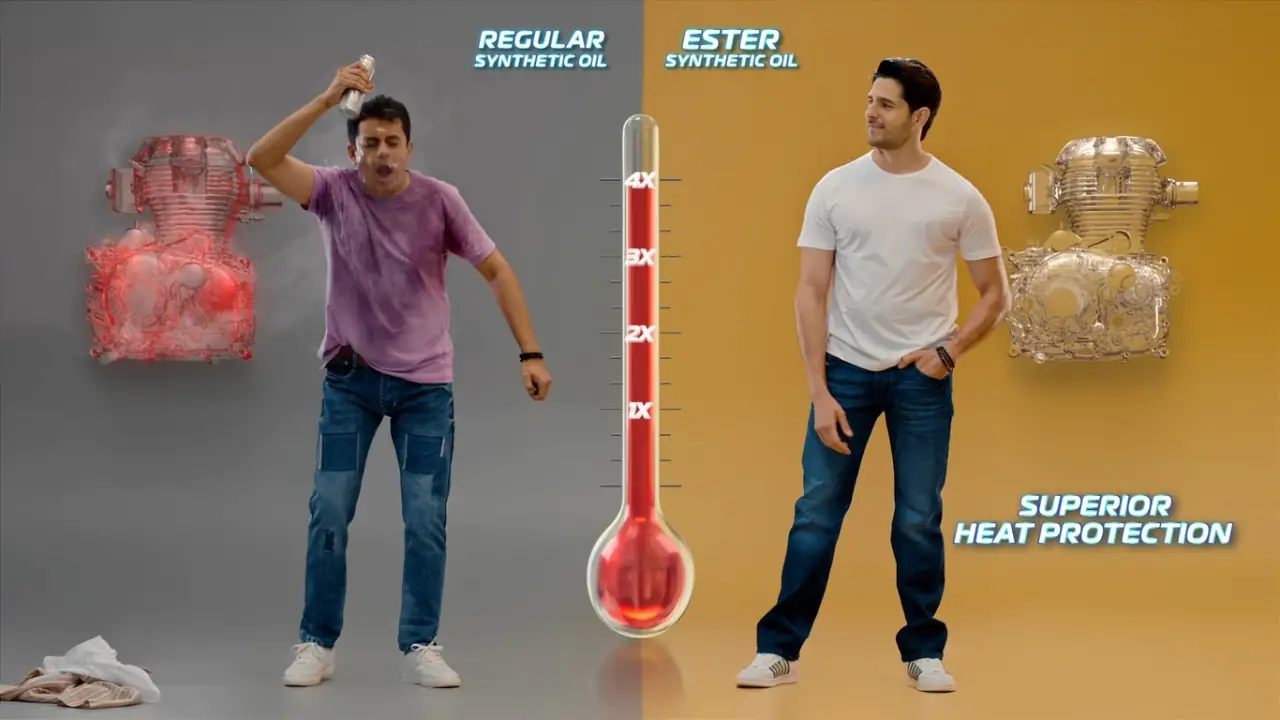
Cold temperatures can thicken engine oil, making it harder for the oil to flow smoothly and lubricate the engine. This increases wear and reduces performance. Before winter riding, consider switching to a winter-grade engine oil or a high-performance synthetic oil that retains optimal viscosity in cold temperatures. Premium options, such as ester-based formulations, ensure consistent lubrication and protection even in harsh conditions.
2. Battery Care and Maintenance
Cold weather can drain your motorcycle’s battery faster, making it essential to ensure your battery is fully charged before heading out. Inspect the terminals for corrosion and clean them if necessary. If you’re storing your bike outside or riding in particularly harsh conditions, investing in a battery tender or trickle charger can keep your battery healthy.
3. Tire Inspection and Pressure Adjustment
Winter roads can be slippery, so having tires with good tread depth and the correct pressure is crucial. Check your tires for signs of wear, cracks, or bald spots. Cold weather can lower tire pressure, so make it a habit to check and adjust the tire pressure regularly for optimal grip and safety.
4. Lubricate Moving Parts
Winter conditions can cause moisture and road salt to corrode exposed metal parts on your bike. Regularly lubricating chains, cables, levers, and pivots with a high-quality lubricant prevents rust and ensures smooth operation. Pay extra attention to the chain, as moisture and road grime can degrade its condition quickly.
5. Protect Your Bike from Moisture
Excess moisture can wreak havoc on various components of your bike, causing rust, corrosion, and electrical issues. Use a quality bike cover when your motorcycle is not in use. If possible, store your bike in a covered and dry space to minimize exposure to moisture. For added protection, consider using anti-corrosion sprays on vulnerable areas.
6. Brake System Check
Winter riding demands reliable brakes due to the increased risk of slipping on wet or icy surfaces. Inspect your brake pads, discs, and brake fluid levels. If you notice any wear or reduced effectiveness, replace the pads or top up the fluid as necessary. Ensuring your brakes respond promptly can make all the difference in winter conditions.
7. Coolant and Antifreeze Levels
Ensure your bike’s coolant has antifreeze properties to prevent the coolant from freezing in low temperatures. Check your coolant levels and top them up if necessary. This simple step can prevent expensive repairs caused by frozen or cracked engine components.
8. Lights and Electrical Systems
Visibility is often reduced during winter months due to shorter days and foggy conditions. Check that all lights, indicators, and electrical systems are functioning properly. Replace any dim or non-working bulbs and consider upgrading to LED lights for better visibility.
Conclusion
Winter riding can be thrilling and rewarding, but it demands proper bike maintenance to keep you safe and ensure your ride performs at its best. From using winter-grade engine oil and protecting your battery to checking your brakes and tires, these essential tips will help you navigate the cold months with confidence. By taking the time to prepare your bike for winter, you can enjoy smooth, safe rides no matter how chilly it gets.